


Calendar of Events
S Sun
M Mon
T Tue
W Wed
T Thu
F Fri
S Sat
1 event,
1 event,
Principles of Herbal Medicine
Principles of Herbal Medicine
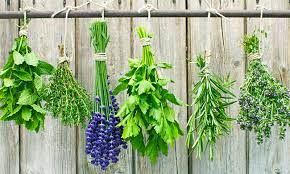
The use of plants for wellness, nutrition and balance has been practiced for thousands of years in the Adirondacks and cultures around the globe. Join Margo for an exploration of Basic Principles of Herbal Medicine through the lens of intimately getting to know 6 easy to identify plants from our local region who may be growing right under your own feet! (And in your own garden!)
In this class you will have an opportunity to gain intimate knowledge of plants and traditional methods of working with them, while building your wild skill set in identification and transforming raw (plant) material into beneficial preparations through hands-on experiences. Your work in the classroom will continue at home. In each class you will receive a rooted specimen of the plant we work with, along with the earthwork of establishing your own medicinal herb garden.
This class is recommended for those who are: curious, herbalists, gardeners and/or plant lovers, ages 13 and up, beginner or experienced.
0 events,
0 events,
0 events,
0 events,
0 events,
0 events,
0 events,
0 events,
0 events,
2 events,
AFS Sewing Circle
AFS Sewing Circle
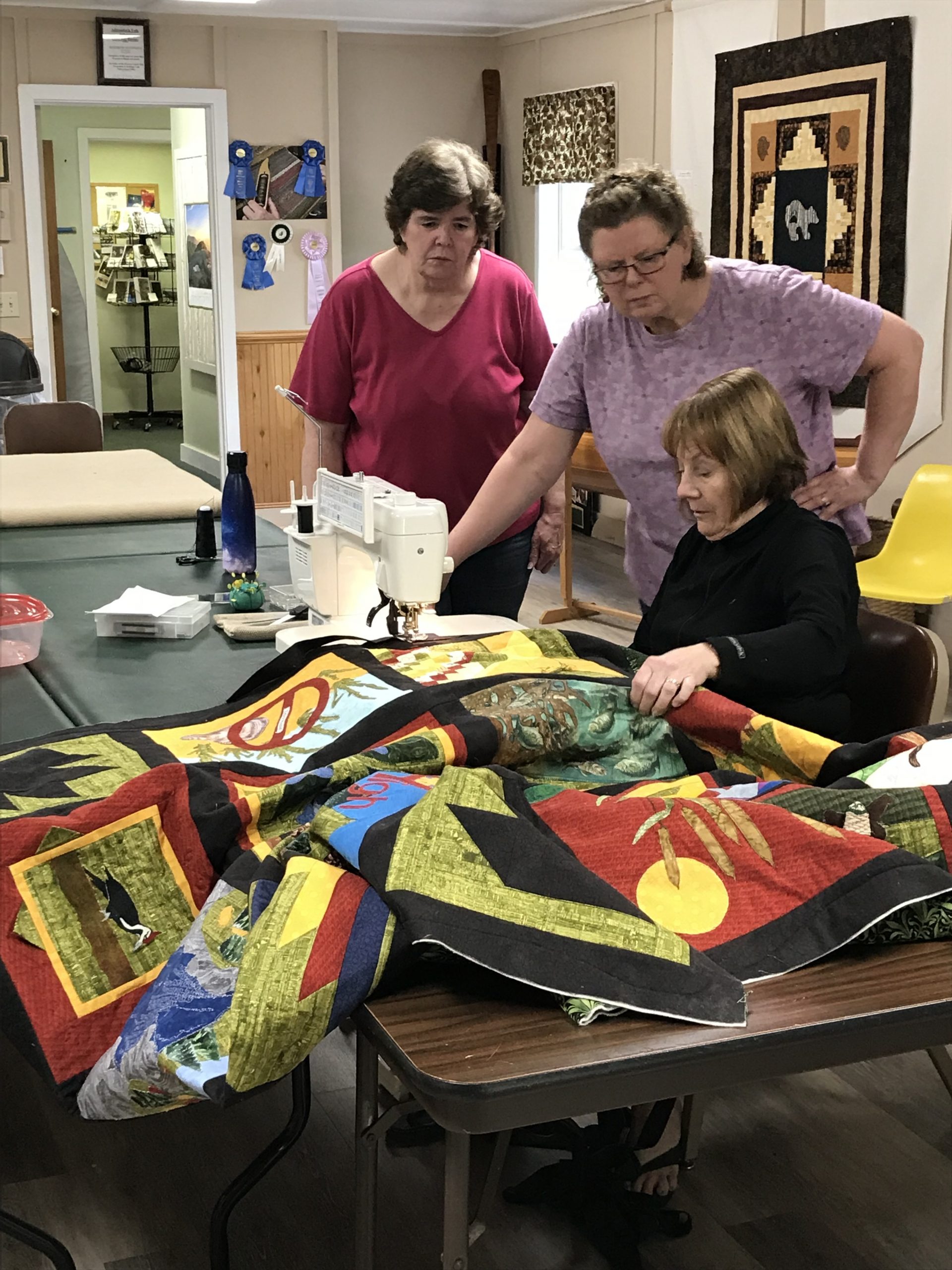
Calling all fiber artists! Do you have a project you're in the middle of? Want some company while you work? Sounds like AFS Sewing Circle is the place for you! Quilters, knitters, and fiber artists alike are welcome to join us every month for an afternoon of quilting and camaraderie. Bring your works in progress, and enjoy sharing your experience and the company of your fellow quilters. Pre-registration is not required. All are welcome!
A Taste of the Forge
A Taste of the Forge
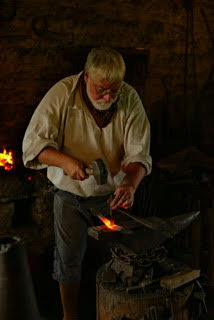
Would you like to try blacksmithing, and get a taste of the craft? Join instructor Steve Gurzler for 3 weekday evenings to learn how to operate a coal forge to bring metal to incandescent heat and shape it with hammer in hand. This class will use the Artist Blacksmiths Association of North America (ABANA) curriculum to teach the basics of blacksmithing. Students can expect to create 2 or more projects during the 3 evenings. Class size is limited to ensure all can advance at their own pace.
1 event,
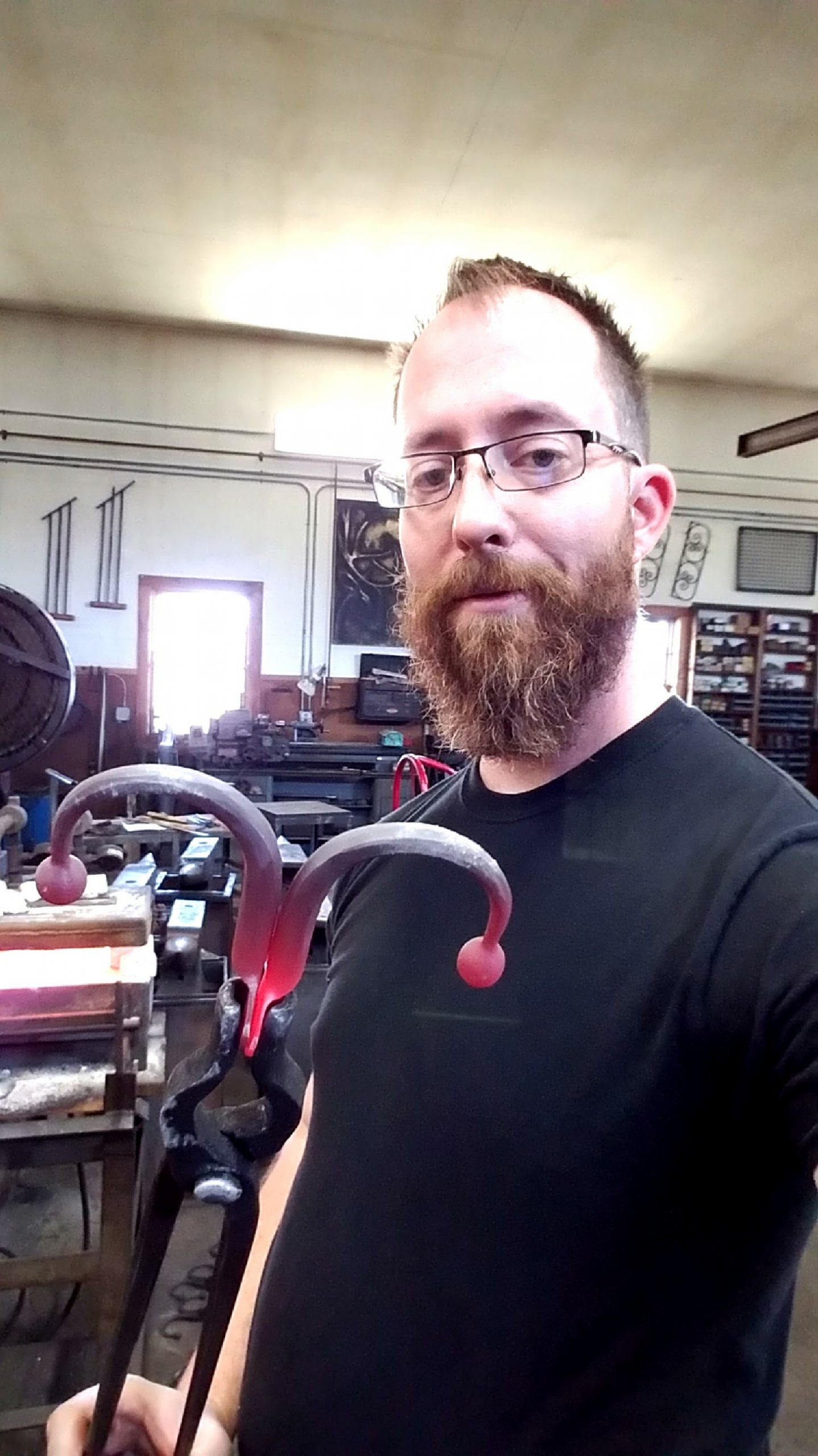
Blacksmithing 101: Nail & Hook
Blacksmithing 101: Nail & Hook
This 4-hour class is ideal for the beginner blacksmith with little to no experience. We will start with the basics, and within the first hour students will be forging their own nails. From there, students will forge hooks with a decorative twist.
3 events,
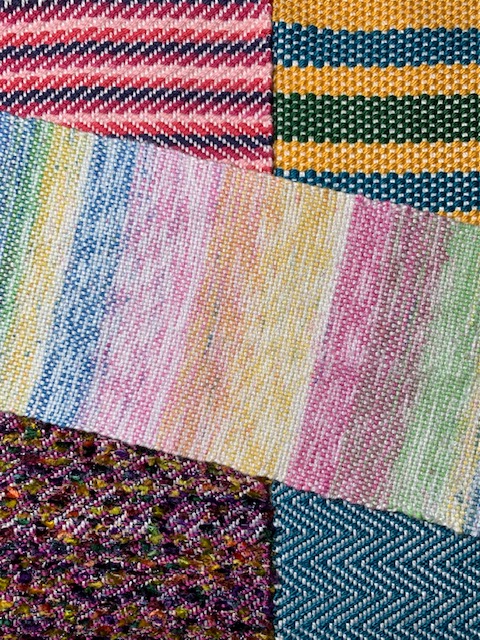
Blacksmithing 102C: Make Like a Tree
Blacksmithing 102C: Make Like a Tree
Nature has been a source of artistic inspiration for thousands of years. Leaves have been a part of decorative blacksmithing for a long time, and there are many different types of leaves one can make. This class is intended for students who have taken a basic/beginner class and who understand the basic techniques and concepts. We will start by making leaves with just the hammer and anvil, and then begin using tools like chisels and decorative punches.
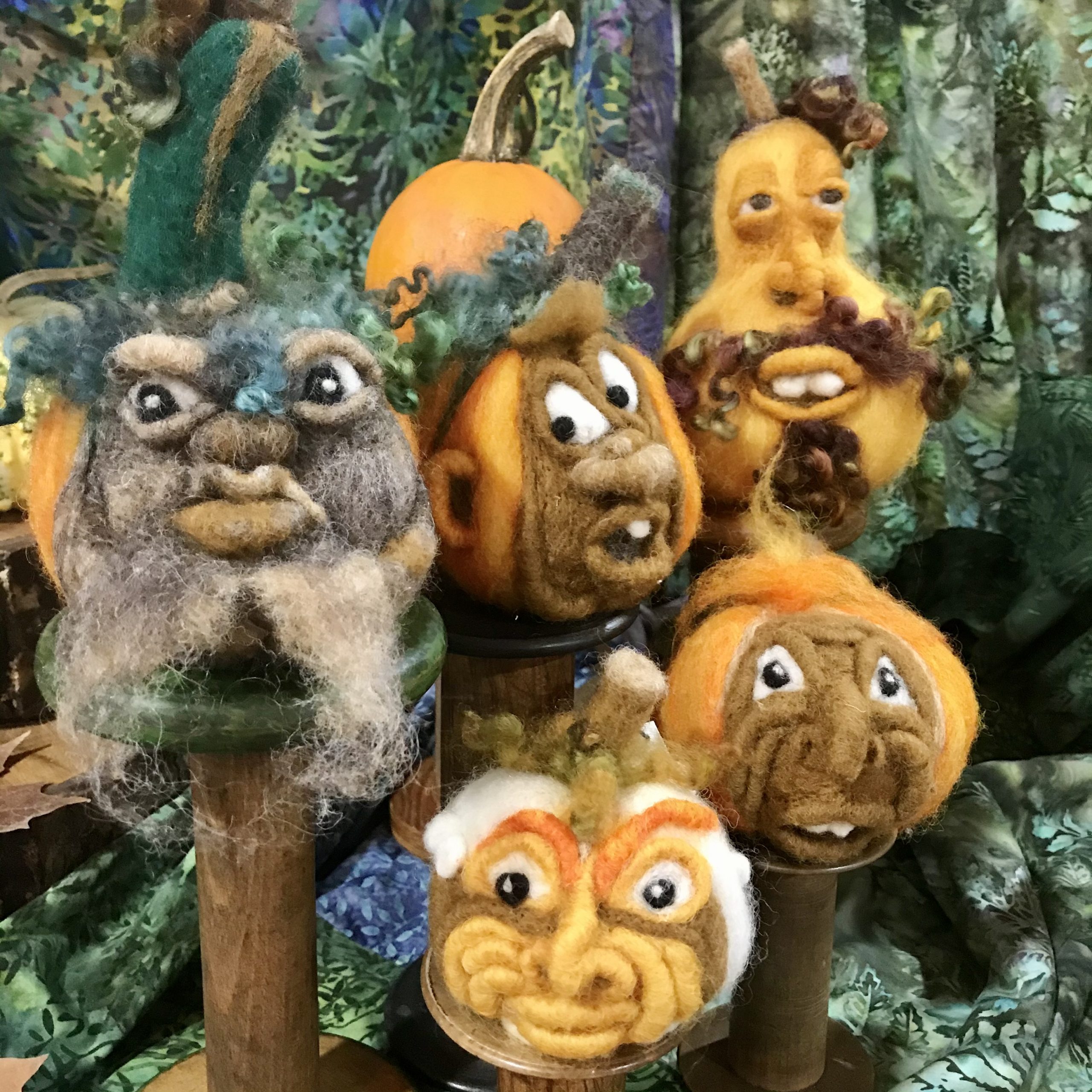
Needle Felted Fall Decor
Needle Felted Fall Decor
Needle felting is a fun and addictive craft. The wool is very forgiving as it can be continually reshaped, similar to sculpting with clay. In this introductory class, we will discuss the variety of wools, tools, and techniques used to form desired shapes in creating three-dimensional objects. Students will sculpt two medium sized pumpkins or gourds, with techniques that can be transferred to unlimited ideas. Each student's work will be different as we work with a number of choices of type of fleece and colors used. Additional kits and tools will be available for purchase.
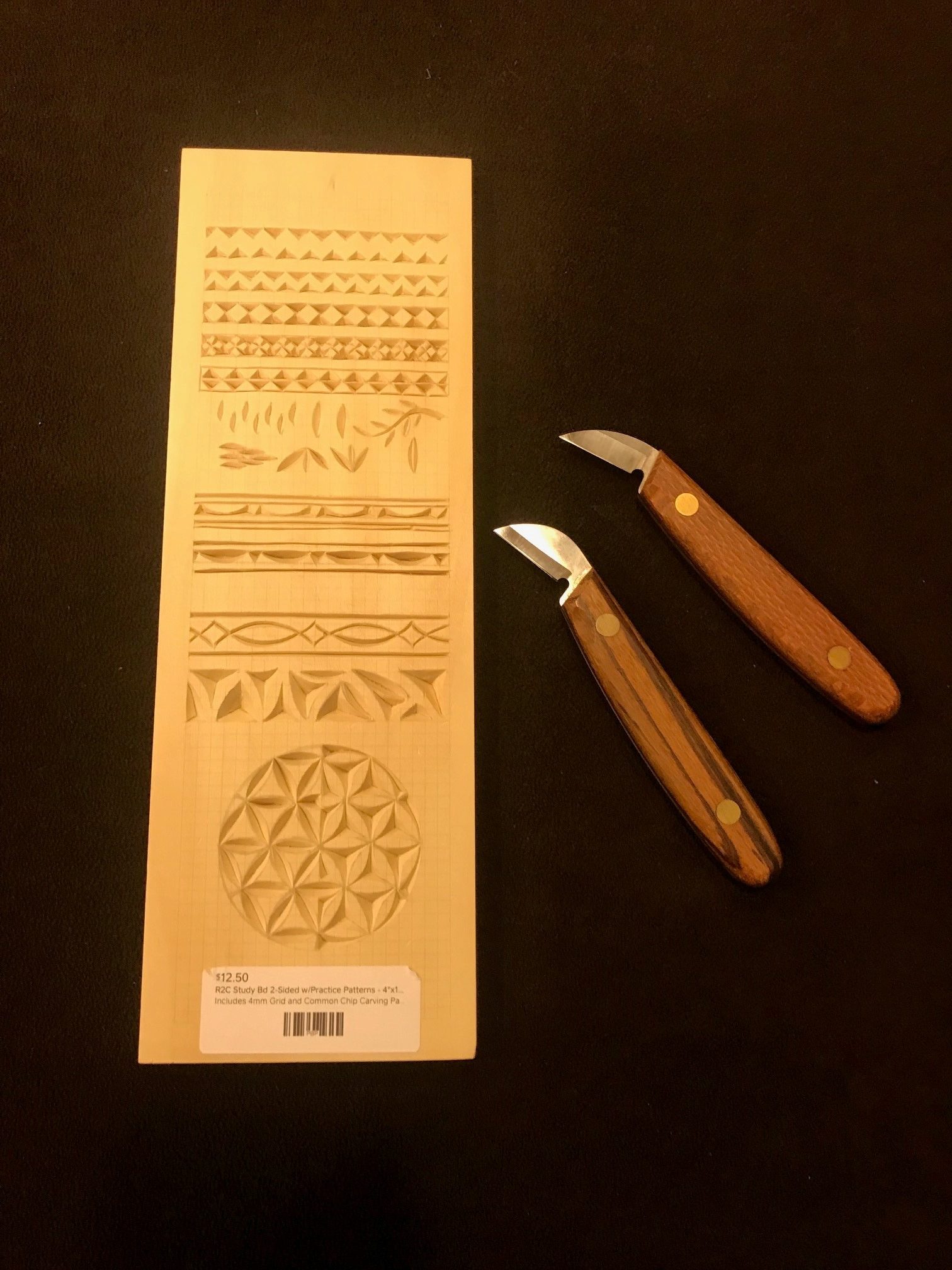
Introduction to Chip Carving
Introduction to Chip Carving
This course will introduce students to the traditional craft of chip carving - a type of woodcarving in which a small knife is used to incise decorative floral and geometric designs into basswood or butternut. The design is created by the removal of small pieces (chips) of the wood. Chip carving is an ancient, traditional craft. Chip carved plates, jewelry and keepsake boxes, trays, breadboards, furniture and other items can make wonderful gifts and also decorate the home with traditional motifs. Some previous carving experience is helpful, but not necessary. Students will learn to carve a variety of practice designs already drawn on a board and may complete a round ornament as well.
4 events,
Needle Felted Fall Decor
Needle Felted Fall Decor
Needle felting is a fun and addictive craft. The wool is very forgiving as it can be continually reshaped, similar to sculpting with clay. In this introductory class, we will discuss the variety of wools, tools, and techniques used to form desired shapes in creating three-dimensional objects. Students will sculpt two medium sized pumpkins or gourds, with techniques that can be transferred to unlimited ideas. Each student's work will be different as we work with a number of choices of type of fleece and colors used. Additional kits and tools will be available for purchase.
Introduction to Chip Carving
Introduction to Chip Carving
This course will introduce students to the traditional craft of chip carving - a type of woodcarving in which a small knife is used to incise decorative floral and geometric designs into basswood or butternut. The design is created by the removal of small pieces (chips) of the wood. Chip carving is an ancient, traditional craft. Chip carved plates, jewelry and keepsake boxes, trays, breadboards, furniture and other items can make wonderful gifts and also decorate the home with traditional motifs. Some previous carving experience is helpful, but not necessary. Students will learn to carve a variety of practice designs already drawn on a board and may complete a round ornament as well.
Blacksmithing 103: Coat Rack
Blacksmithing 103: Coat Rack
This final intro to blacksmithing class uses all of the forging techniques taught in the previous classes to create a small coat or pot rack, with hand forged hooks riveted to the base. This is also an introduction o joinery, as students will learn how to rivet pieces together. Other techniques including pass-throughs and mortise and tenon will be demonstrated and discussed.
Rugs from Rags
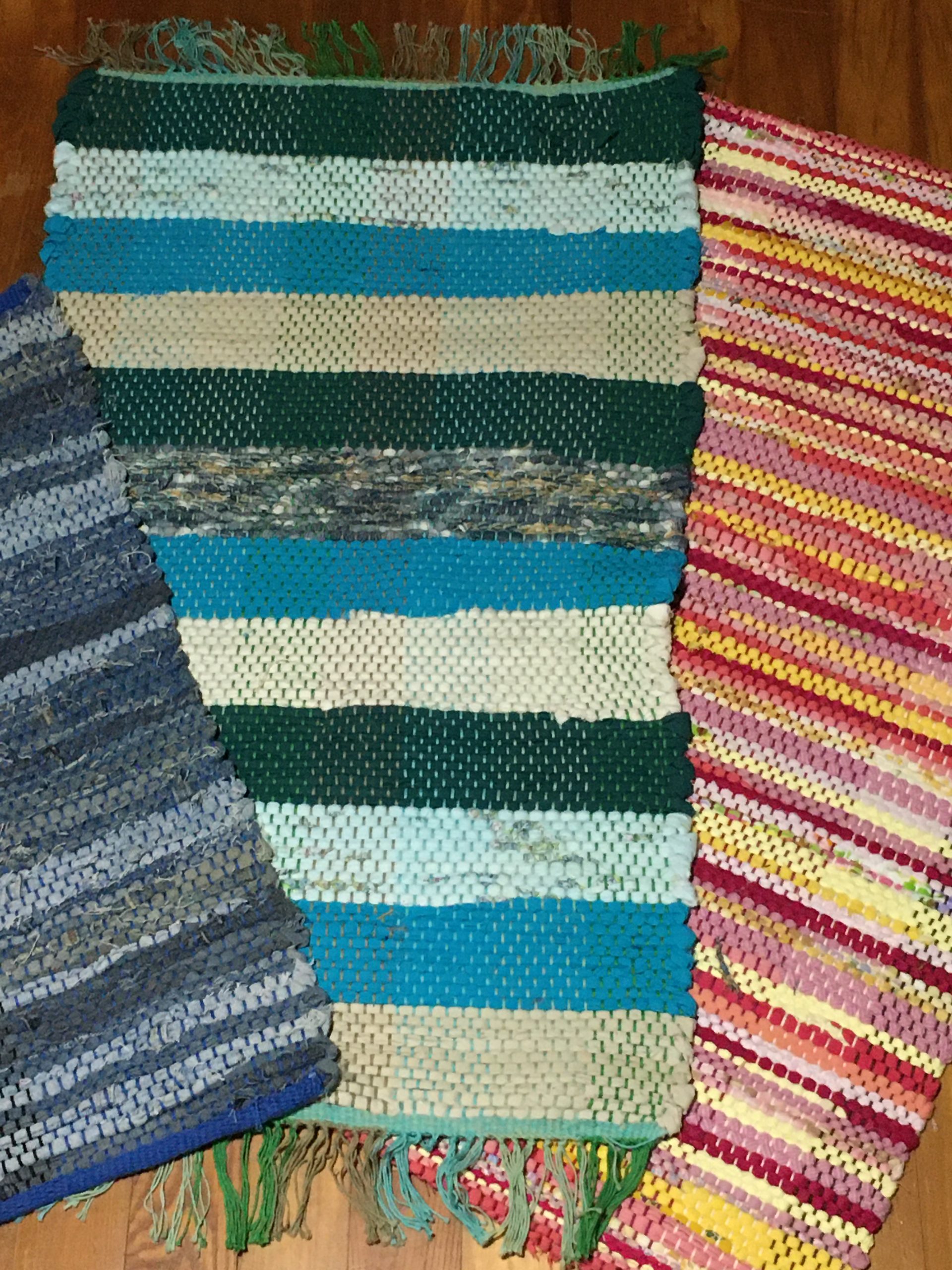
Rugs from Rags
No weaving experience is necessary! The looms are dressed and ready to go, all you need to do is bring your creative spirit and to leave with a finished one-of-a-kind rug. Students will have a choice of making a traditional Rag Rug using recycled fabric strips or making a Sock Rug using remnants from a sock factory. Colors and choices of fabric and remnants vary from class to class depending on availability. The rugs are 24" wide, and up to 45" long.
0 events,
0 events,
0 events,
2 events,
Small Copper Embossing
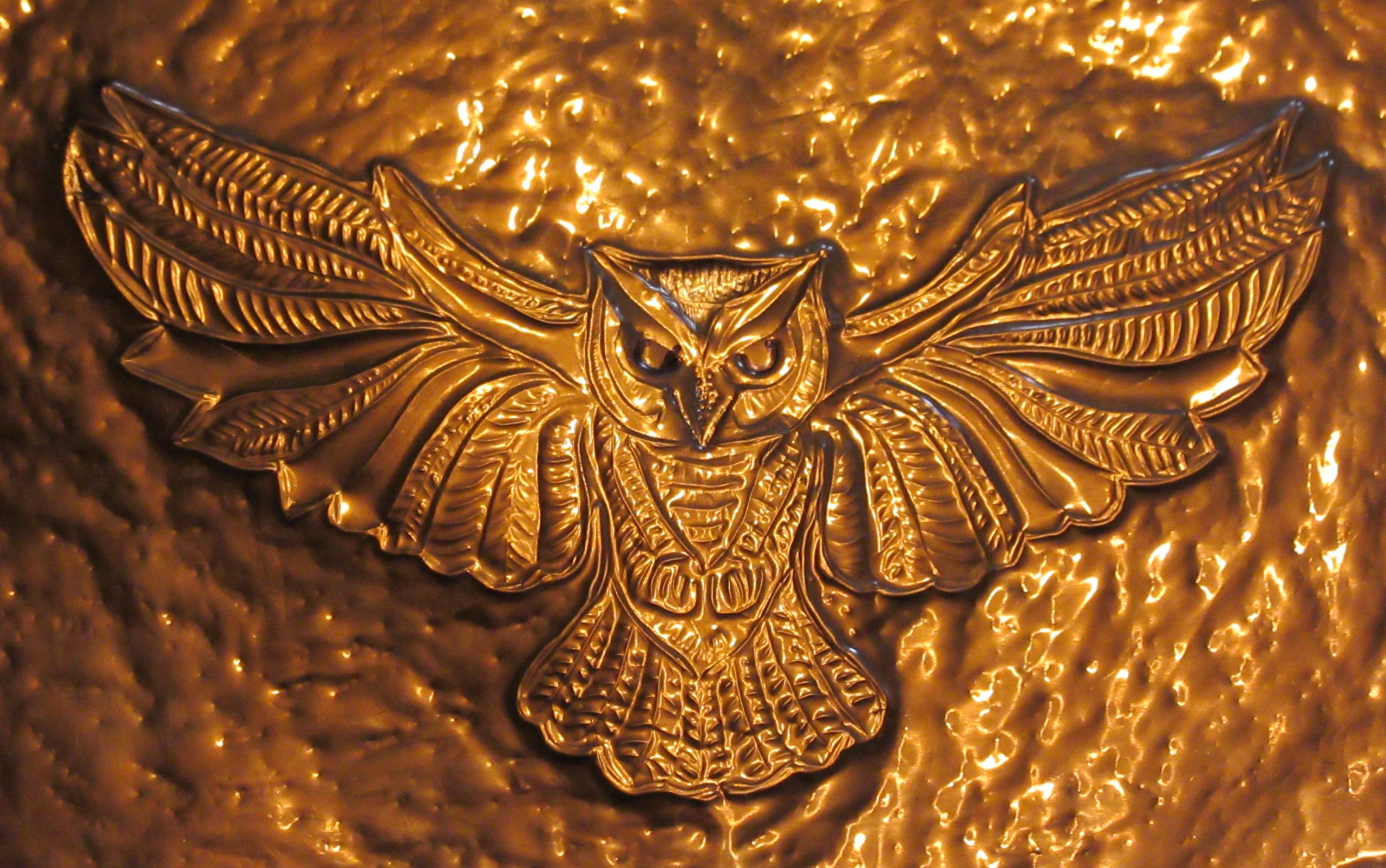
Small Copper Embossing
Learn the discipline of Metal Working known as Embossing. Students will transfer an image of their choosing from a paper template to a sheet of copper by using various sizes of stylus and other hand tools to create a textured picture. Students will find that copper is a very workable material. Your finished piece will fit in with any Adirondack decor or even in a rustic birch frame! This piece is 6" x 6".
A Taste of the Forge
A Taste of the Forge
Would you like to try blacksmithing, and get a taste of the craft? Join instructor Steve Gurzler for 3 weekday evenings to learn how to operate a coal forge to bring metal to incandescent heat and shape it with hammer in hand. This class will use the Artist Blacksmiths Association of North America (ABANA) curriculum to teach the basics of blacksmithing. Students can expect to create 2 or more projects during the 3 evenings. Class size is limited to ensure all can advance at their own pace.
1 event,
Copper Bowl
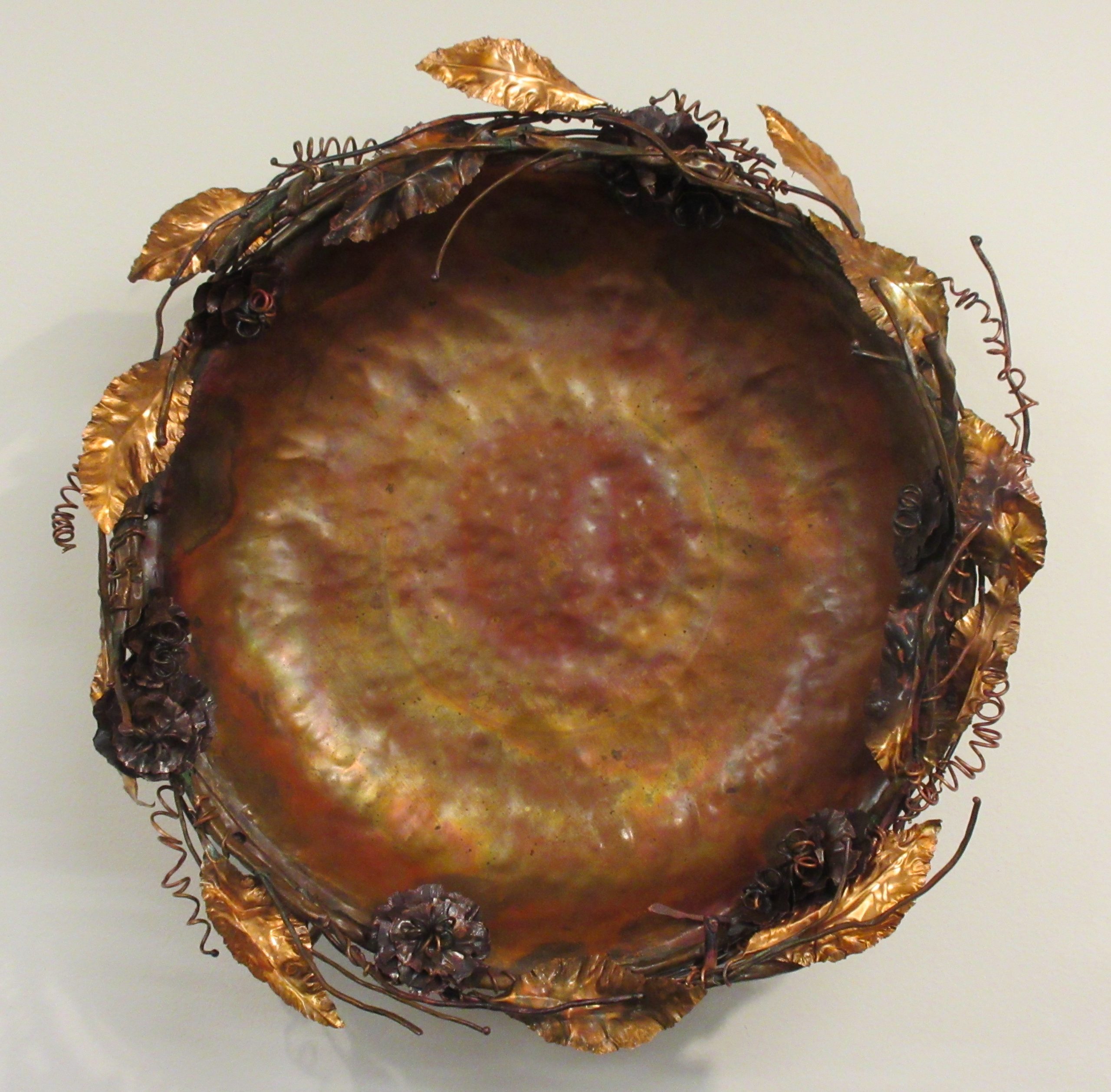
Copper Bowl
In this class students will create a beautiful copper bowl from a 12" x 12" sheet of 16 gauge copper. Students will pound and hand tool the sheet into an 8" diameter, approx. 2" deep bowl. Students will also make a decorative vine with leaves from copper that will be attached to the rim of the bowl. Some soldering will be involved in this class.
0 events,
0 events,
0 events,
0 events,
1 event,
Open Forge Night
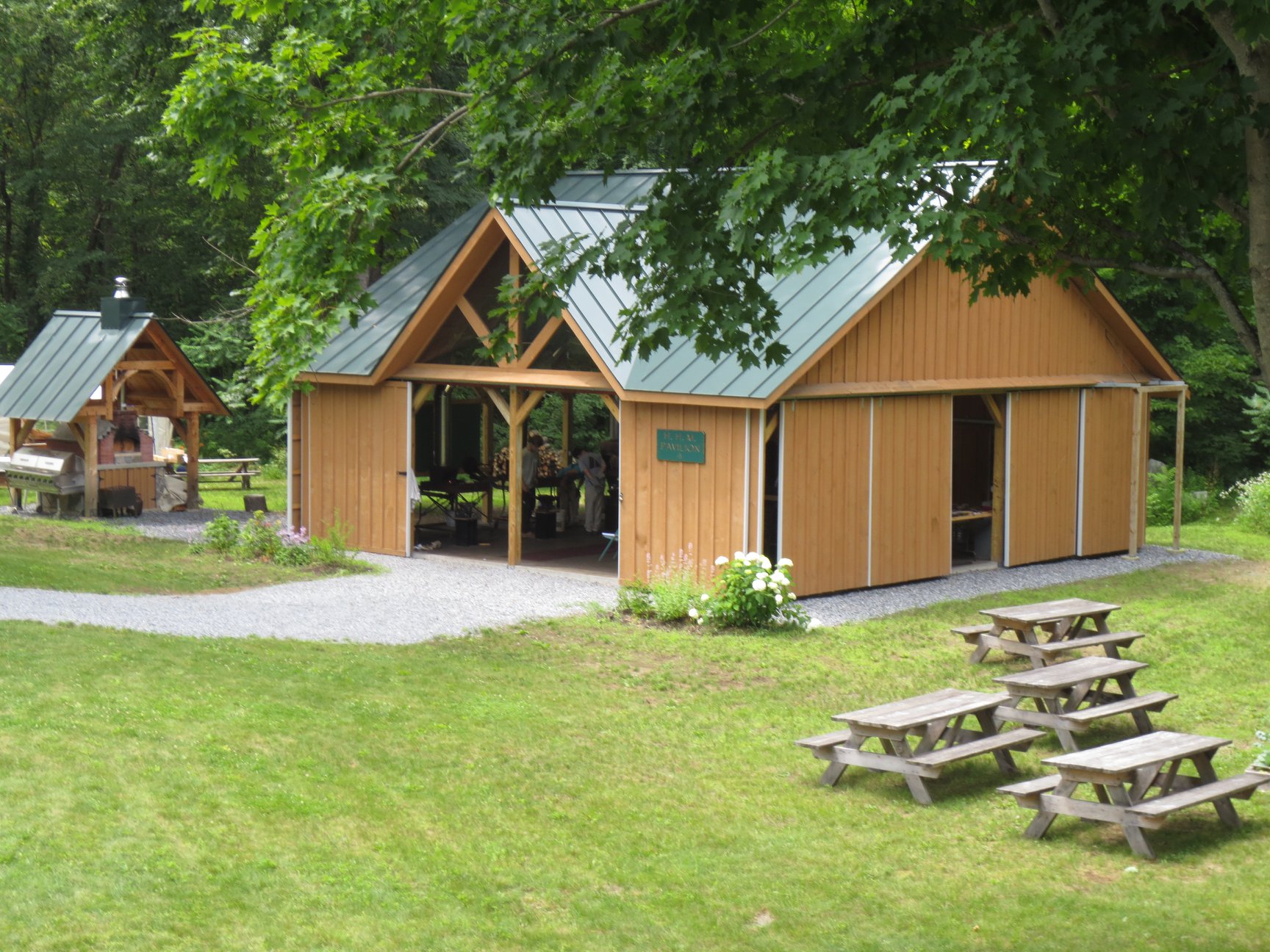
Open Forge Night
Interested in blacksmithing but unsure how to start? Open Forge Night is the place for you! Every third Wednesday of the month during our blacksmithing season, come see demonstrations by expert blacksmith Steve Gurzler. Observing the demonstration is free and open to the public. If you want to try your hand at blacksmithing there is a $20 fee to cover the cost of materials. Safety precautions must be followed - including hard shoes with no open toes, long pants, goggles (supplied) and gloves (supplied).
1 event,
A Taste of the Forge
A Taste of the Forge
Would you like to try blacksmithing, and get a taste of the craft? Join instructor Steve Gurzler for 3 weekday evenings to learn how to operate a coal forge to bring metal to incandescent heat and shape it with hammer in hand. This class will use the Artist Blacksmiths Association of North America (ABANA) curriculum to teach the basics of blacksmithing. Students can expect to create 2 or more projects during the 3 evenings. Class size is limited to ensure all can advance at their own pace.
2 events,
Walking Stick with Inlaid Compass
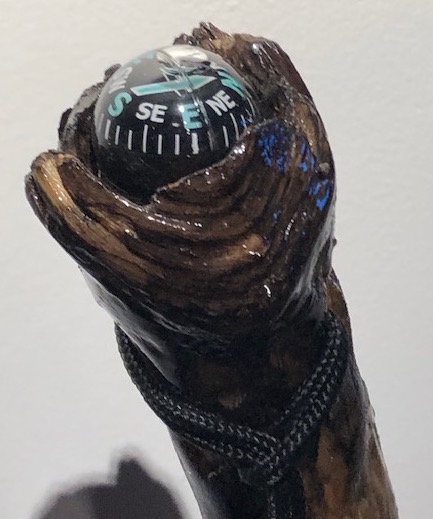
Walking Stick with Inlaid Compass
Take your next hike or walk around the corner with a unique hand-crafted walking stick. Frank will guide you through the process of taking a piece of ironwood and transforming it into a walking stick that will last a lifetime. The inlaid compass will help ensure you don't lose your way on the trail! Makes a wonderful gift for the hikers in your life!
Coffin Handled Bowie Knife
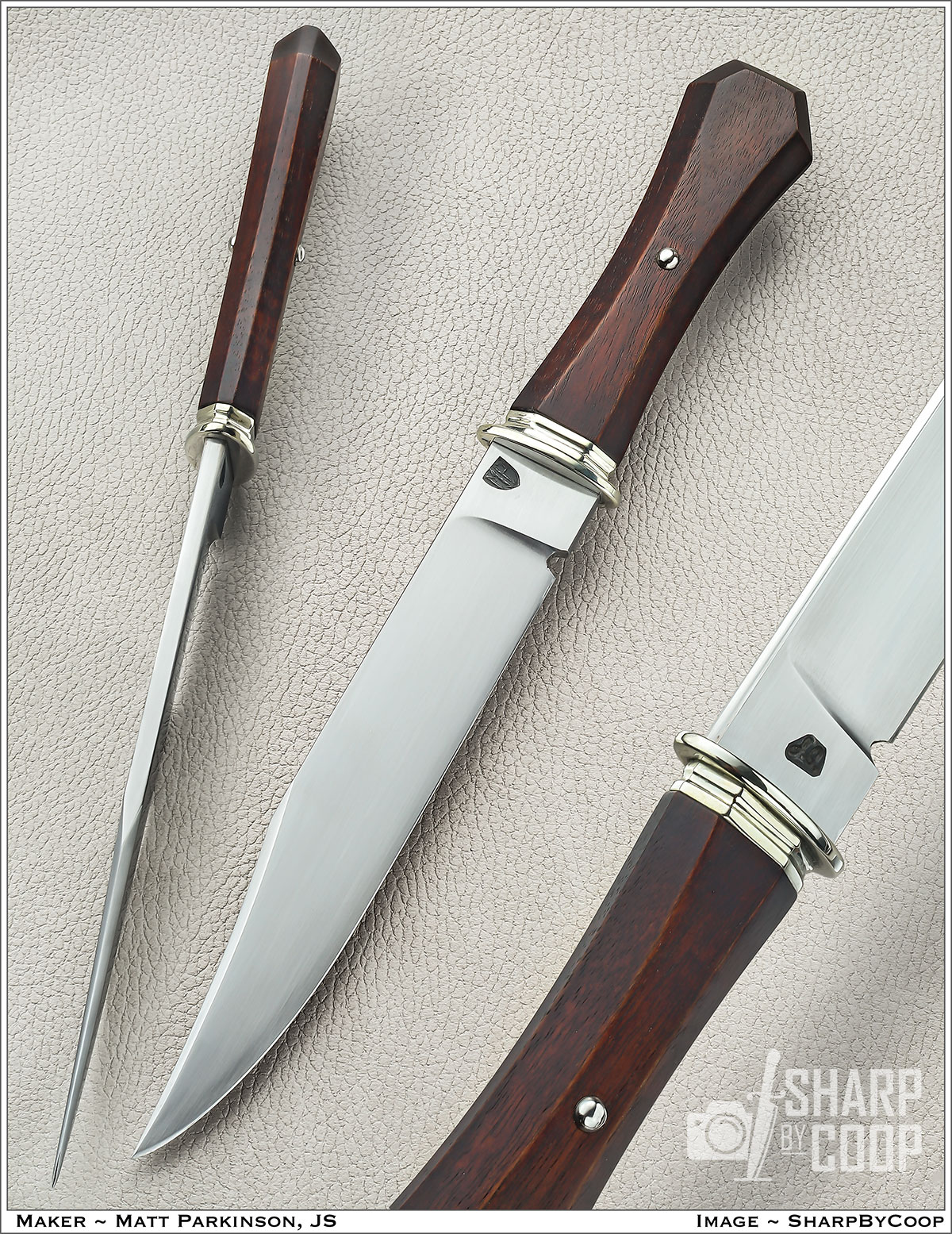
Coffin Handled Bowie Knife
The Bowie Knife conjures thoughts of legend and history. In this class students will create their own version of this iconic American knife. Students will begin by forging the blades to shape from high carbon steel bar stock, followed by grinding and heat treating the blade. Once the blades are finished the class will turn to the handles fabricating a guard, bolster and wood handle for their knives.
This class will focus on several key techniques in knifemaking: fitting a guard, as well as shaping and designing hidden tang wooden handles.
3 events,
Coffin Handled Bowie Knife
Coffin Handled Bowie Knife
The Bowie Knife conjures thoughts of legend and history. In this class students will create their own version of this iconic American knife. Students will begin by forging the blades to shape from high carbon steel bar stock, followed by grinding and heat treating the blade. Once the blades are finished the class will turn to the handles fabricating a guard, bolster and wood handle for their knives.
This class will focus on several key techniques in knifemaking: fitting a guard, as well as shaping and designing hidden tang wooden handles.
Relief Carved Door Toppers
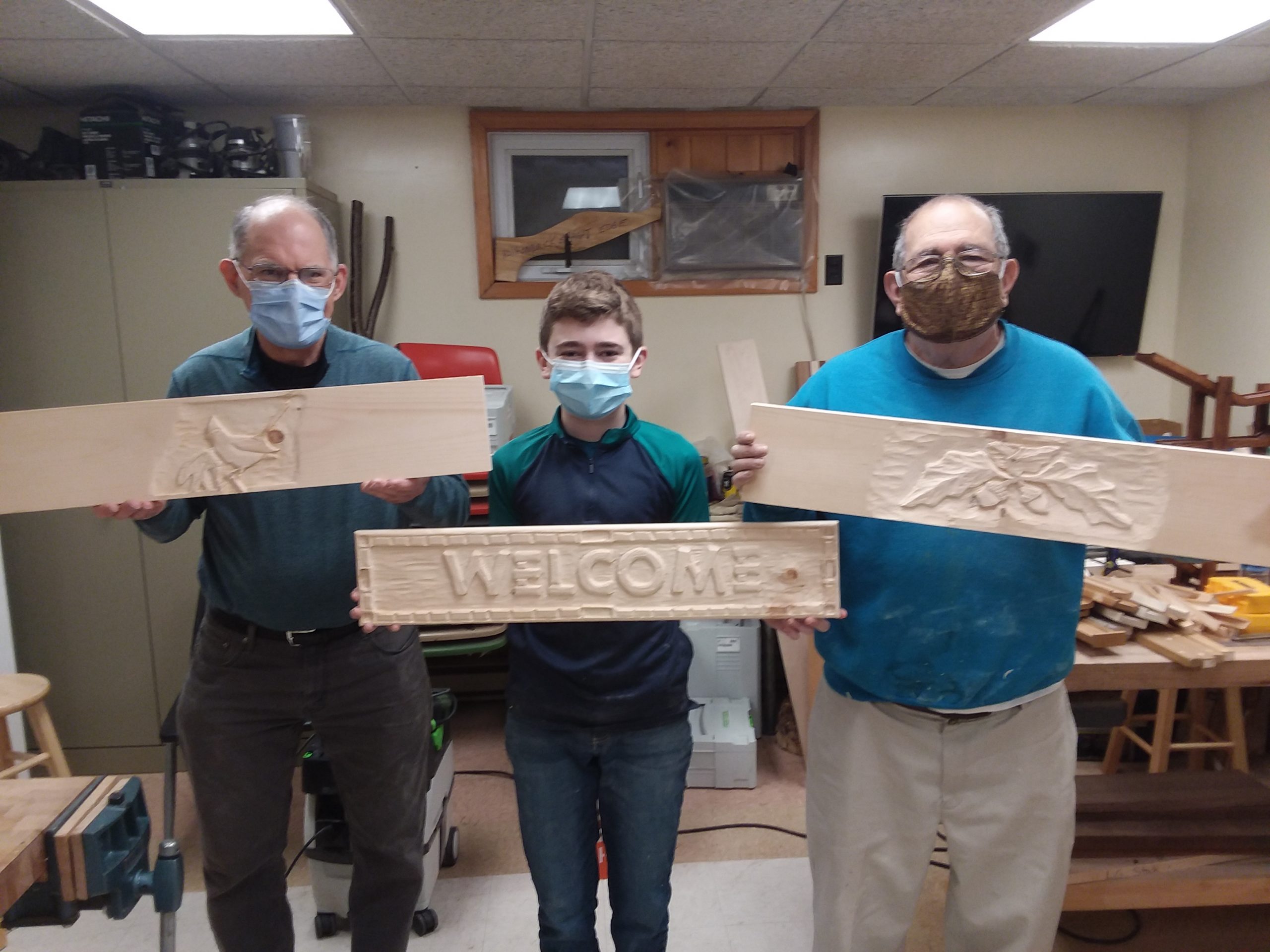
Relief Carved Door Toppers
Carve a decorative door topper for your interior or exterior door. Learn to design, lay out, and carve, a scenic design or welcome sign for the top of your door.
Felted Squirrel
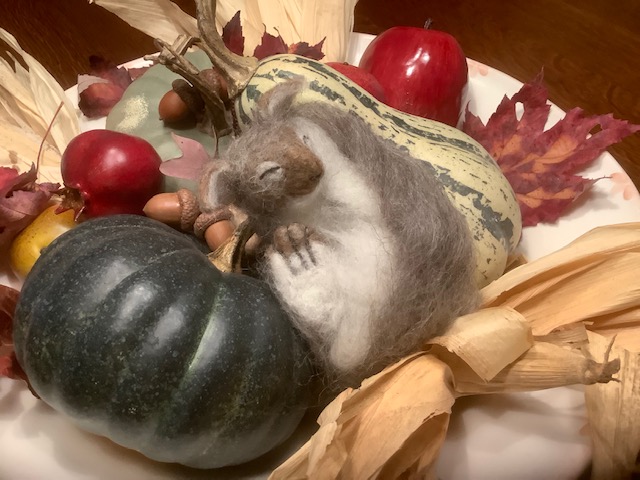
Felted Squirrel
Felt a "sleepy squirrel" that could be found in a leafy nest anywhere in the Adirondacks. You will use a simple armiture, natural wool fibers, and easy to use techniques to create a lifelike image of a sleeping gray squirrel. This course is appropriate for beginners and will give you the skills to create your own sleepy character.
3 events,
Coffin Handled Bowie Knife
Coffin Handled Bowie Knife
The Bowie Knife conjures thoughts of legend and history. In this class students will create their own version of this iconic American knife. Students will begin by forging the blades to shape from high carbon steel bar stock, followed by grinding and heat treating the blade. Once the blades are finished the class will turn to the handles fabricating a guard, bolster and wood handle for their knives.
This class will focus on several key techniques in knifemaking: fitting a guard, as well as shaping and designing hidden tang wooden handles.
Relief Carved Door Toppers
Relief Carved Door Toppers
Carve a decorative door topper for your interior or exterior door. Learn to design, lay out, and carve, a scenic design or welcome sign for the top of your door.
Principles of Herbal Medicine
Principles of Herbal Medicine
The use of plants for wellness, nutrition and balance has been practiced for thousands of years in the Adirondacks and cultures around the globe. Join Margo for an exploration of Basic Principles of Herbal Medicine through the lens of intimately getting to know 6 easy to identify plants from our local region who may be growing right under your own feet! (And in your own garden!)
In this class you will have an opportunity to gain intimate knowledge of plants and traditional methods of working with them, while building your wild skill set in identification and transforming raw (plant) material into beneficial preparations through hands-on experiences. Your work in the classroom will continue at home. In each class you will receive a rooted specimen of the plant we work with, along with the earthwork of establishing your own medicinal herb garden.
This class is recommended for those who are: curious, herbalists, gardeners and/or plant lovers, ages 13 and up, beginner or experienced.
0 events,
0 events,
0 events,
0 events,
2 events,
Japanese Dagger with Sawa (Sheath & Handle)
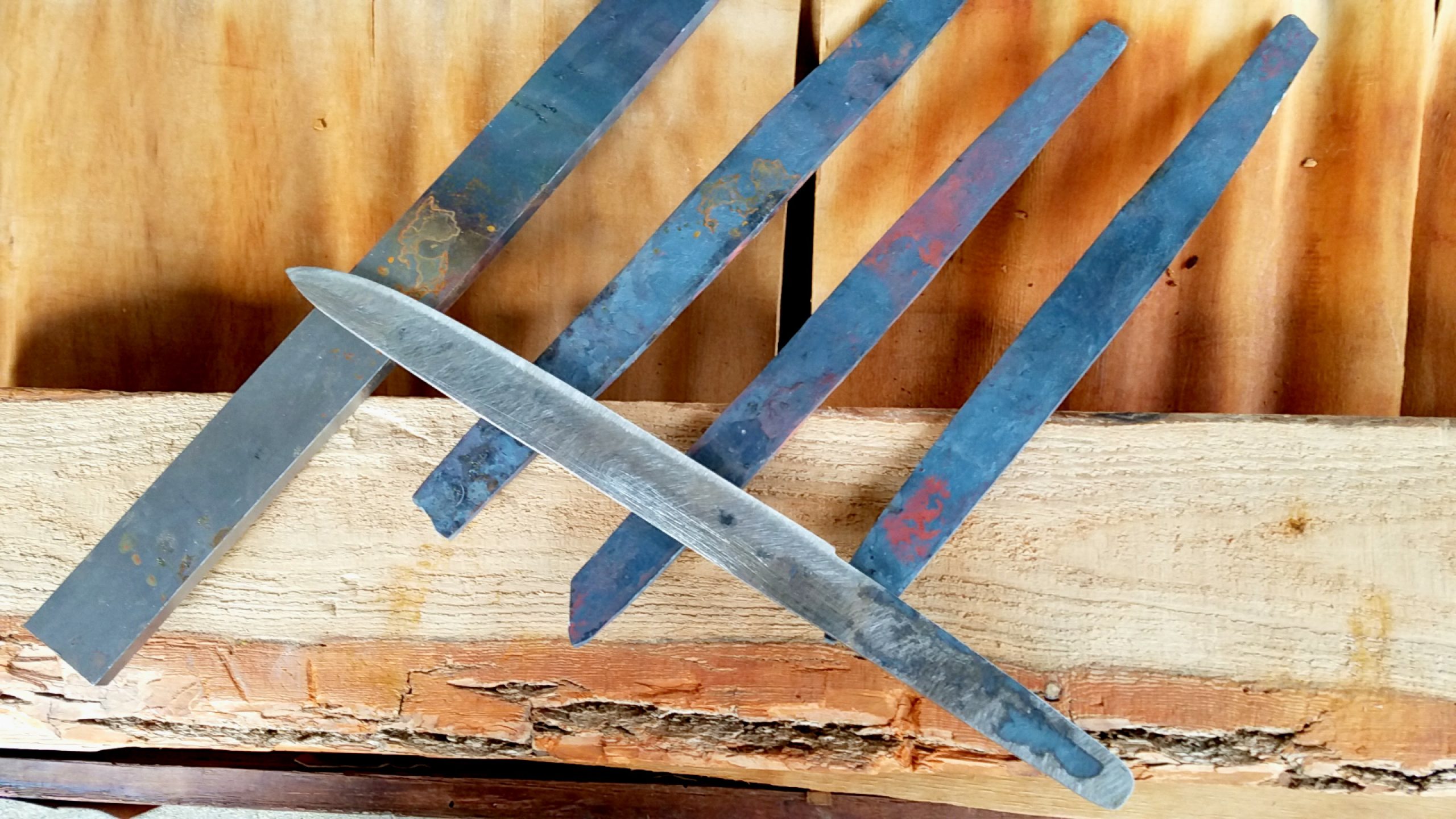
Japanese Dagger with Sawa (Sheath & Handle)
The goal of this class is to produce a blade ready for quenching with minimal use of a grinder. The focus will be on the tanto, the dagger carried by samurai. Students will start with a piece of high carbon stock. This class will follow historic processes as closely as possible. Students will forge their bar into a blank of precise dimensions, before hand forging bevels and relevant blade geometry. Then, hand files will be used to finish the blade. Blades that are ready will be quenched at the end of the 2nd day. This class includes an in depth discussion of heat treating, and blades will be clay coated when quenched for a hamon. The third day will start at the forge to make a basic fitting, the habaki, from copper. After that, the class will turn to the wood shop, where students will use hand tools to make a wooden handle and sheath using traditional methods. This class is for intermediate smiths.
Weaving 102: Next Steps to Weaving on a Floor Loom
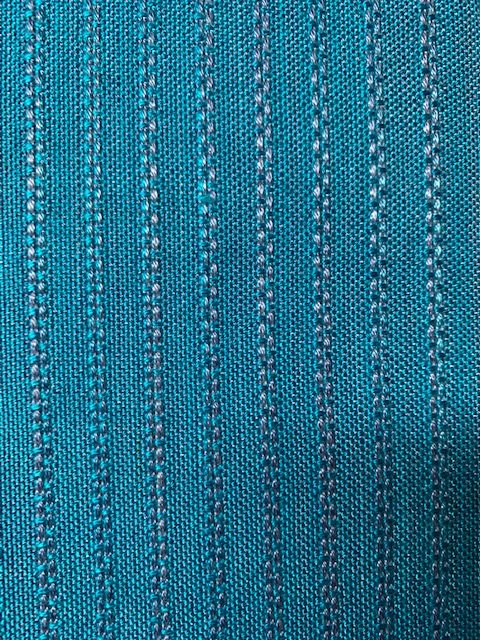
Weaving 102: Next Steps to Weaving on a Floor Loom
Once you've learned the basics of the weaving process, it's time for your first project! Each student will wind a warp, dress a loom and weave a Tencel scarf. Multiple color choices will be available. The weave structors is based on plain weave, making this s great first project.
3 events,
Chip Carving a Green Man
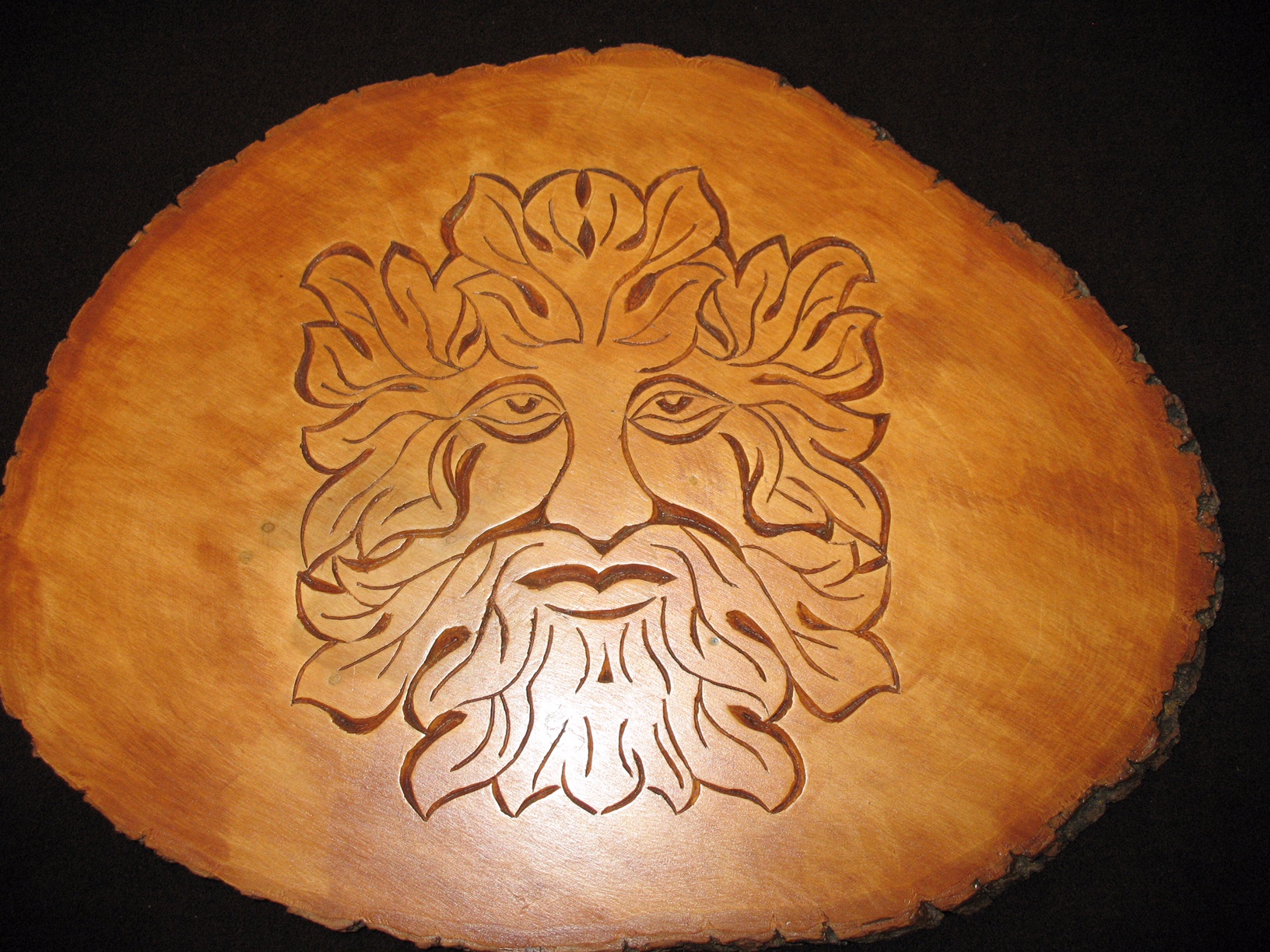
Chip Carving a Green Man
The Green Man is an ancient symbol of the union of man and nature; a human face is surrounded by floral forms. Each student will receive a basswood plank with the bark on one edge and, separately, a few Green Man designs. After selecting the design of choice, the student will apply the design to the plank and carve the face into the wood.
Japanese Dagger with Sawa (Sheath & Handle)
Japanese Dagger with Sawa (Sheath & Handle)
The goal of this class is to produce a blade ready for quenching with minimal use of a grinder. The focus will be on the tanto, the dagger carried by samurai. Students will start with a piece of high carbon stock. This class will follow historic processes as closely as possible. Students will forge their bar into a blank of precise dimensions, before hand forging bevels and relevant blade geometry. Then, hand files will be used to finish the blade. Blades that are ready will be quenched at the end of the 2nd day. This class includes an in depth discussion of heat treating, and blades will be clay coated when quenched for a hamon. The third day will start at the forge to make a basic fitting, the habaki, from copper. After that, the class will turn to the wood shop, where students will use hand tools to make a wooden handle and sheath using traditional methods. This class is for intermediate smiths.
Weaving 102: Next Steps to Weaving on a Floor Loom
Weaving 102: Next Steps to Weaving on a Floor Loom
Once you've learned the basics of the weaving process, it's time for your first project! Each student will wind a warp, dress a loom and weave a Tencel scarf. Multiple color choices will be available. The weave structors is based on plain weave, making this s great first project.